
Subtotal
$0.00

Everywhere we look, screens glow. The infinite scroll promises connection, yet often delivers only distraction. Amid this constant flow of digital imagery, a quiet countercurrent has emerged: a renewed fascination with Romantic art. Its luminous skies, turbulent seas, and introspective figures stand in stark contrast to the speed and surface of modern media. Viewers are returning to art that asks them to feel, to reflect, and to rediscover beauty as something more than a fleeting visual.
This return is not nostalgia. It is a response. The more digital our lives become, the more we seem to crave the emotional gravity and sincerity that defined nineteenth-century Romanticism. In galleries, in homes, and even on digital platforms, Romantic art is reasserting its power to slow us down and make us look again.
The Origins of Romantic Art and the Power of the Sublime
Romantic art arose in the early nineteenth century as a rebellion against the rationalism of the Enlightenment. Artists turned away from reason and symmetry, instead seeking emotion, individuality, and the sublime—the feeling of awe that comes from confronting vastness and beauty.
Painters such as Eugène Delacroix, J. M. W. Turner, and Caspar David Friedrich captured the storm and the stillness of nature. Their works invited viewers to feel rather than analyze: a ship lost at sea, a monk staring into mist, and a sky alive with fire and light. According to the Tate’s essays on the Romantic Sublime, these artists sought to depict not just landscapes but emotional landscapes—manifestations of wonder, longing, and fear.
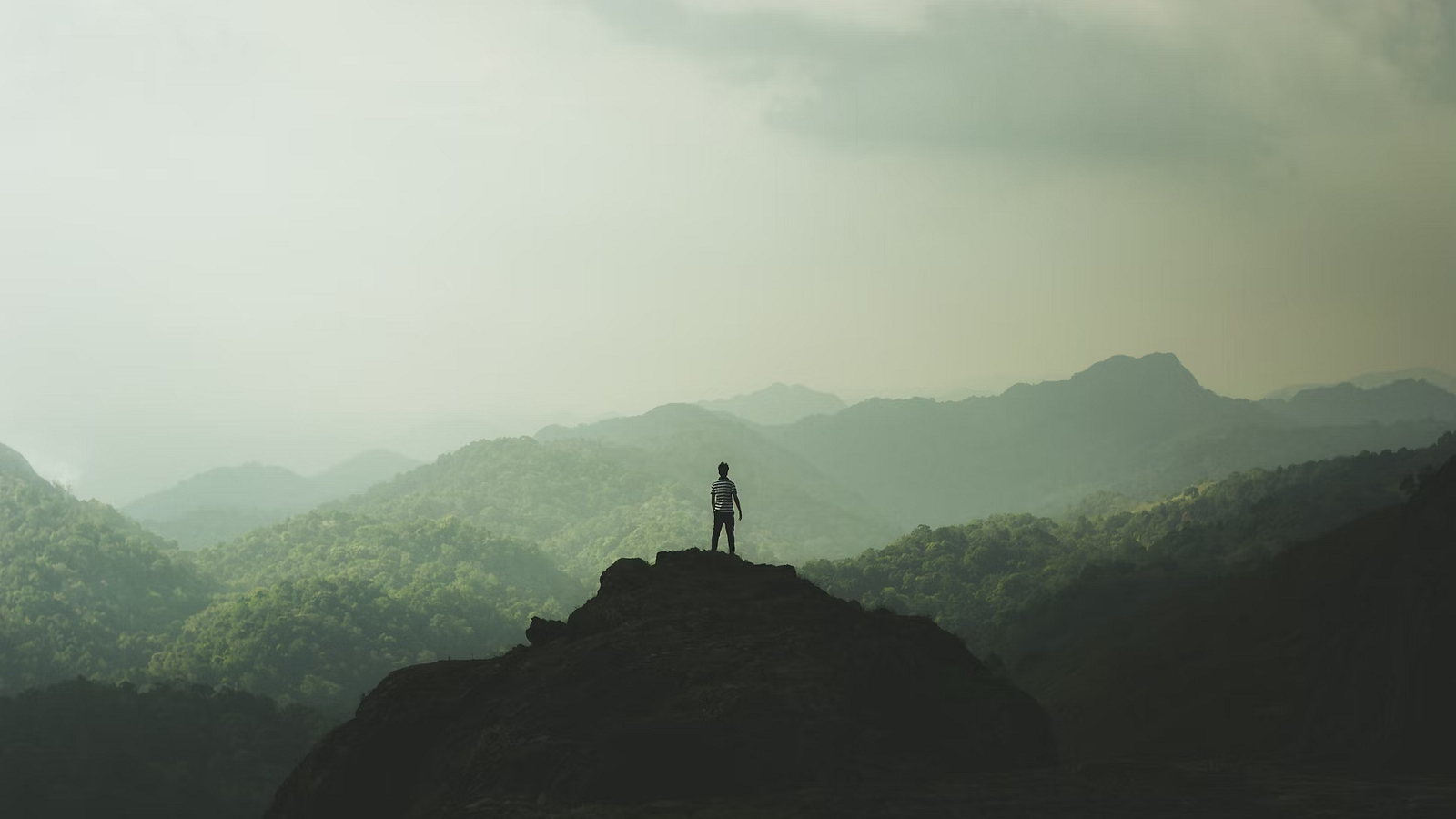
In their brushwork, Romantic painters transformed paint into sensation. Turner’s dissolving horizons evoked motion and transience. Friedrich’s silhouettes of solitude expressed spiritual reflection. Delacroix’s vibrant color became a language of passion. The legacy of these painters extends far beyond their century, shaping how we still define emotional depth and artistic sincerity today.
Escaping the Algorithm: Why Romanticism Speaks to Modern Life
In our post-digital age, the average image holds attention for less than two seconds. Algorithms favor immediacy, but emotional connection takes time. This is where Romantic art finds its relevance again. It embodies an antidote to superficial engagement—a reminder that awe cannot be scrolled past.
Museums are recognizing this shift. Programs encouraging “slow-looking” and mindfulness have gained popularity, inviting visitors to spend ten or fifteen minutes in front of a single painting. The experience feels radical in its simplicity: no screens, no feeds, just the act of being present. Viewers describe these sessions as meditative, even transformative, echoing the Romantic belief that art is a form of communion between human and world.
Contemporary artists have taken up this mantle under the banner of neo-romanticism, reviving the emotional intensity of Romantic landscapes through modern techniques. Painters, photographers, and digital creators are exploring solitude, longing, and the power of natural imagery as responses to technological overstimulation. Their works speak to a generation seeking depth amid digital noise.
From Canvases to Screens: Romanticism in the Digital Arena
Romantic imagery has found surprising new life online. On platforms like Instagram, hashtags such as #modernromanticism and #neo-romanticart showcase glowing skies, misty forests, and moody seascapes rendered through contemporary eyes. Photographers use analog film to preserve softness and imperfection, while digital painters emulate Turner’s atmospheres with stylus and screen.
Yet the digital translation of Romantic art raises questions of authenticity. The global success of immersive exhibitions—like the Immersive Van Gogh Experience—shows the appetite for emotional art, but it also reveals a paradox. These experiences surround visitors with light and sound but sometimes risk replacing contemplation with spectacle. They amplify the aesthetic but dilute the silence that Romantic art invites.
Still, digital media offers opportunity. Some creators are using virtual reality and projection mapping to reimagine Romantic spaces, allowing audiences to step into stormy skies or stand beneath glowing auroras. When treated with sensitivity, these tools extend rather than erase the Romantic ideal of emotional immersion.
The Psychology of Awe and the Return to Nature
Why does Romantic art feel so healing in a time of digital overload? The answer may lie in the psychology of awe. Research published in Psychology Today suggests that viewing natural imagery can reduce stress, restore attention, and even improve empathy.
Romantic painters instinctively understood this. Their works captured nature not as a backdrop but as a mirror—reflecting the vastness of feeling within each human being. Today, as studies link screen fatigue to anxiety and overstimulation, Romantic art’s meditative quality feels newly urgent. Looking at Turner’s clouds or Friedrich’s still horizons gives the mind room to breathe.
The emotional contagion of art—the way a viewer unconsciously absorbs its mood—offers a quiet counterpoint to the hyperreactivity of social media. Where algorithms amplify outrage and comparison, Romantic art cultivates humility and wonder.
The Market’s Mood: Romanticism and the Allure of Quiet Luxury
Collectors and curators have noticed the shift as well. Romantic landscapes and emotionally charged figurative works have performed strongly in recent auctions. A Turner study sold at Sotheby’s for nearly two million pounds, reflecting a renewed demand for authenticity and craft.
This revival aligns with a broader cultural aesthetic known as quiet luxury, which prizes understatement, texture, and emotional resonance over spectacle. As The Observer notes, art that conveys subtlety and stillness appeals to audiences weary of digital excess. Romanticism’s restrained palette, natural motifs, and emotional transparency embody this ethos perfectly.
The market’s turn toward Romantic sensibility suggests that collectors are seeking more than investment—they are seeking feeling. In a culture that measures engagement in clicks and likes, the permanence of paint becomes a quiet act of resistance.
Blending Tradition and Technology: Lessons for Artists Today
Romantic art’s endurance lies not in imitation but in evolution. Modern artists can draw from its principles—emotion, awe, nature, and sincerity—while using contemporary tools. Analog techniques such as plein air painting, film photography, and manual sketching reconnect artists with the tactile act of creation.
When combined with digital display, these methods reach new audiences without losing authenticity. Process videos, time-lapse reels, and story-driven captions allow artists to share emotion rather than algorithmic spectacle. The key is intention: using technology to reveal humanity, not to obscure it.
The most compelling creators of the post-digital era use Romantic principles to deepen rather than distract. Their works remind us that emotion is timeless and that art’s purpose is not speed but resonance.
A Pause Worth Taking
Romantic art endures because it fulfills something technology cannot: the desire to feel small in the face of beauty. It invites stillness, awe, and introspection—qualities that have become rare in the constant hum of the digital world.
In this sense, Romanticism is not an era left behind but a mindset rediscovered. It teaches that beauty is not found in perfection but in emotion, and that art’s highest purpose is not to entertain but to awaken. In slowing down to feel, we find the one experience no algorithm can replicate: wonder.