
Subtotal
$0.00
A Multidisciplinary Journey Through Design and Storytelling
Danting Li, also known as Liz, is a graphic designer based in the San Francisco Bay Area whose work spans branding, UI and UX design, typography, motion graphics, video editing, and front-end development. She holds a master’s degree in design and brings more than nine years of professional experience across a wide range of creative roles. Her practice is rooted in visual storytelling, and she has developed a career that integrates technical skill, aesthetic clarity, and a deep interest in how design can shape understanding.
Li’s early professional experience included work for global gaming companies such as PUBG Mobile, Tencent, and Alchemy Stars during her time at ZAM. These projects allowed her to blend creativity with strategy, developing visuals that captured attention while conveying clear messages. Today, as co-founder and graphic designer at SparksGlo, she leads design direction for a broad array of clients, creating brand identities, logos, and websites for both static and dynamic platforms. Across every project, she aims to create meaningful work that resonates with diverse audiences and communicates with intention.
Inspiration Through Culture, Inclusivity, and Emotional Presence
At the core of Li’s artistic practice is an interest in the relationship between culture, emotion, and human experience. She draws inspiration from everyday moments as well as from her background in design, finding meaning in the way visual language can build bridges across differences. Her focus on identity, inclusivity, and accessible communication guides many of her conceptual choices.
Li has explored topics such as disability empathy, female representation, and color accessibility, often through minimalist forms, strong contrasts, and carefully chosen typography. She is particularly interested in how design can shift perception by encouraging viewers to see from a new angle or to recognize experiences they may not share directly. In this sense, her work invites connection as much as it communicates information. Through clear visual language, she seeks to spark understanding and broaden awareness.
Environmental Influence and the Use of Visual Clarity
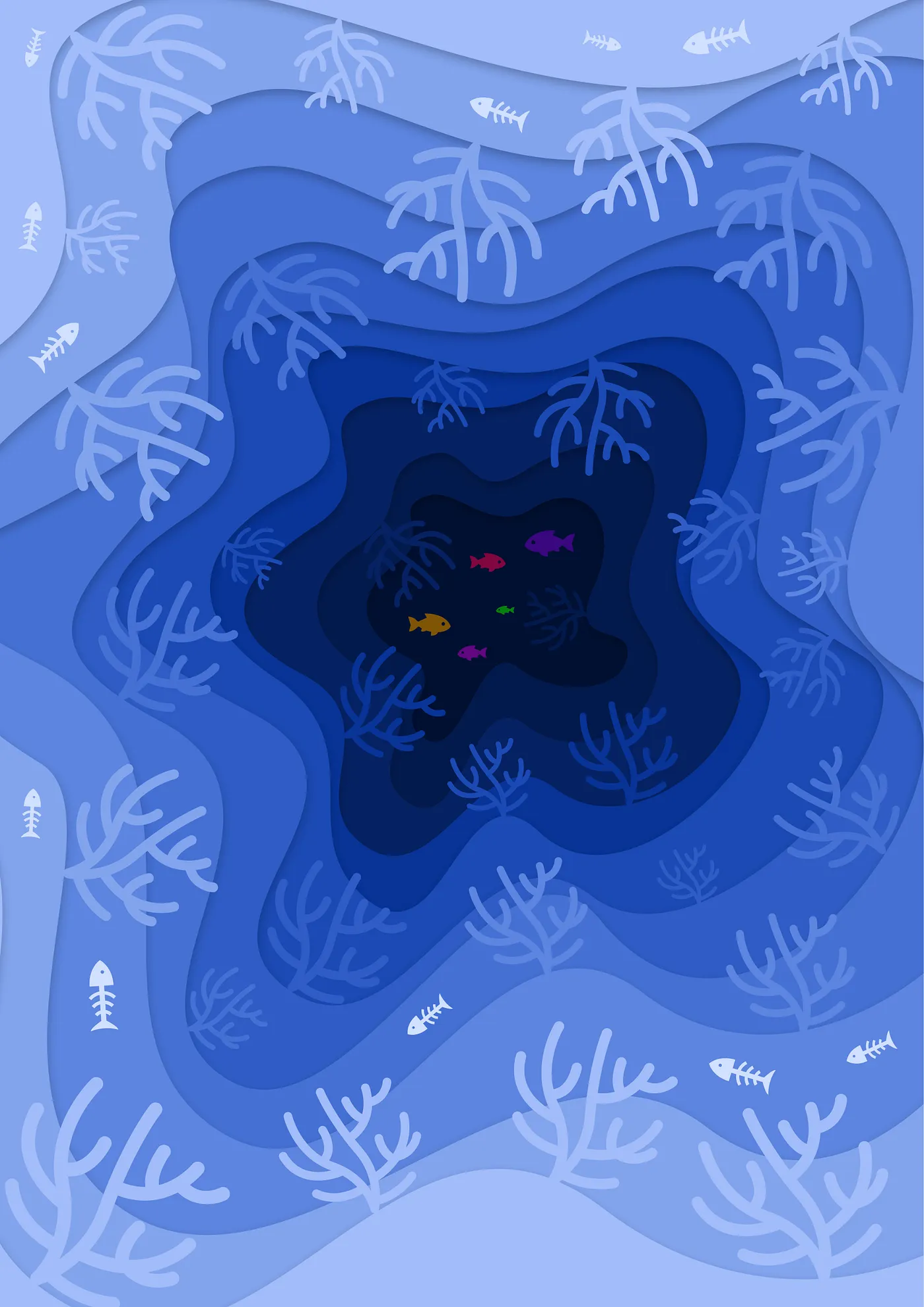
The rapidly changing ecological landscape informs much of Li’s creative direction. She responds to environmental realities not through dramatization but through clarity, restraint, and symbolic form. Her piece titled Coral Bleaching emerged from concern about ocean degradation and the disappearance of underwater vibrancy. Through minimal composition and stark contrasts, the work mirrors the loss of color and life in marine ecosystems. Its simplicity heightens its emotional impact, illustrating the quiet but urgent crisis experienced beneath the surface.
Li’s work is also shaped by cultural and social shifts, including conversations around equity and representation. These influences guide her subject matter and her choice of approach, encouraging her to evolve in response to contemporary challenges. Her style emphasizes thoughtful design choices that reflect both visual discipline and conceptual sensitivity. Whether addressing ecological decline or questions of inclusivity, Li relies on a refined visual vocabulary that prioritizes intention over spectacle.

Neon Dreamscape sourced from Danting Li
Exploring Environmental, Social, and Cultural Issues Through Art
Environmental concerns remain central to Li’s artistic focus. She views art as a means to evoke an emotional response that data alone cannot always achieve. Works such as Coral Bleaching confront the fragility of marine life through fading color and intentional minimalism. Neon Dreamscape examines the tension between urban expansion and environmental loss by depicting a city overwhelmed by artificial light, disconnected from the natural world it replaced. A Road to Nowhere explores themes of unsustainable growth and ecological displacement, using empty space and stark contrast to question the direction of unchecked development.
Li’s commitment to environmental issues arises from a belief that art can reveal the emotional core of ecological concerns. By presenting these subjects visually, she encourages viewers to reflect on the consequences of human impact and to consider the relationships between nature, technology, and progress.
Audience Engagement and Shifts in Artistic Perception
Li has observed notable changes in how audiences engage with socially and environmentally oriented art. Viewers appear increasingly drawn to work that communicates a clear perspective with authenticity and creative focus. They respond to sincerity, originality, and conceptual depth. Conversely, they are more critical of pieces that rely on spectacle without meaningful reflection or that use excessive materials in ways that feel wasteful, especially when addressing themes such as environmental harm.
Thoughtful and visually compelling work tends to spark deeper dialogue. Viewers connect more readily with art that blends strong aesthetics with purposeful commentary. This shift reflects a growing desire for artwork that speaks honestly about complex issues while maintaining artistic integrity. Li’s minimalist and concept-driven approach aligns with this desire for clarity and intention.
Adapting to Global Tensions and Creative Barriers
While Li has not yet experienced major limitations in her own opportunities due to political polarization or environmental concerns, she acknowledges that such constraints may become more significant as she continues to apply to international exhibitions and collaborations. Some programs restrict applicants by geographic region or impose limitations based on political alliances, creating uneven access for artists from certain parts of the world.
Despite these challenges, Li remains committed to producing work that addresses urgent environmental themes. She understands that engaging with contemporary issues may require adaptability within changing political conditions. Her dedication to environmental commentary reflects a belief that creative responsibility extends beyond aesthetic considerations.

A Road to Nowhere sourced from Danting Li
Sustainability, Material Choice, and Responsible Practice
Li’s commitment to environmental responsibility informs not only the subjects she addresses but also the choices she makes regarding materials and production methods. She often works digitally to minimize physical waste and reduce the environmental footprint associated with traditional mediums. In creating pieces like Coral Bleaching, she chose digital methods to align the production process with the message of the work.
For physical pieces, Li prioritizes recyclable materials, minimal waste, and thoughtful packaging. She avoids unnecessary excess and favors online exhibitions when suitable, since digital showcases provide broader accessibility with reduced environmental impact. These decisions demonstrate an understanding that the process of making art can reinforce its message, and they reflect her goal of aligning artistic practice with ecological values.
The Role of Art in Interpreting and Inspiring Change
Li sees art as a tool for understanding and engaging with political, social, and environmental issues. She views visual storytelling as a means to open new perspectives and foster empathy, making distant or abstract concerns more emotionally resonant. By encouraging viewers to reflect through imagery rather than through data alone, she hopes to inspire deeper recognition of the complexities surrounding these issues.
Her practice contributes to conversations about environmental decline, sustainable development, and social awareness by presenting these subjects with clarity and restraint. Li’s work serves as an invitation to consider the world from a place of reflection rather than reaction. She believes that art that prompts thoughtful engagement can encourage meaningful action.
For aspiring artists, Li emphasizes the importance of pursuing the work that feels most authentic. She encourages dedication to craft and clarity of intention. When artists create from a place of passion and sincerity, they naturally attract audiences who connect with their vision. For those seeking to engage with contemporary issues through art, Li suggests exploring the stories behind the work and approaching each piece with an open mind. Art is most powerful when it creates dialogue, challenges perception, and helps people see from new perspectives.