
Subtotal
$0.00
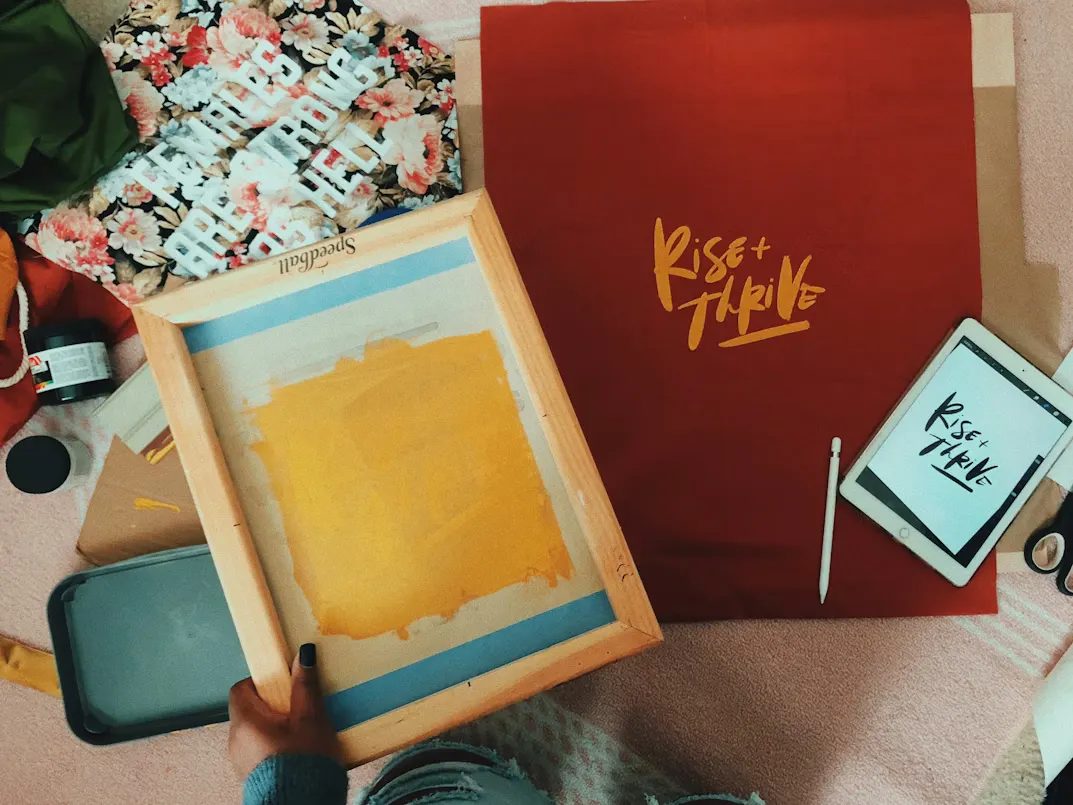
From Museums to Marketing: How Corporations Became Cultural Patrons
In 2025, corporations have stepped into a role once reserved for aristocrats, collectors, and institutions: that of the cultural patron. The digital economy has redefined what it means to support art, transforming marketing budgets into platforms for creative expression. Today, brands commission artists not just for promotion but for storytelling, cultural engagement, and community building. This evolution merges commerce with culture, positioning creative partnerships as a cornerstone of corporate identity.
The Museum of Modern Art (MoMA) now outlines how businesses can participate in major partnerships that directly support exhibitions and residencies. These programs demonstrate how corporate sponsorships, when handled with artistic respect, can nurture innovation rather than exploit it. The result is a world in which creative patronage no longer depends solely on galleries or institutions—corporations have joined the ranks of cultural investors.
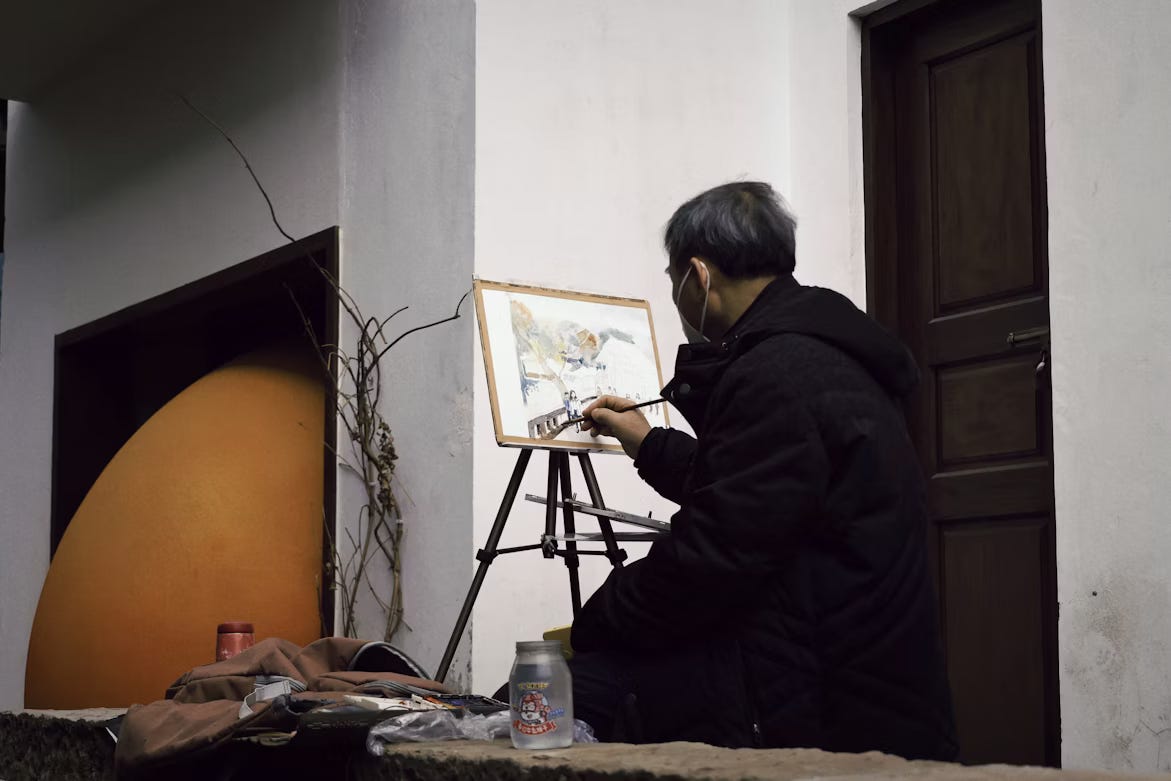
Sourced from Erin With from Unsplash.
A Brief History: From Absolut Vodka to the NFT Era
The idea of brand–artist collaboration isn’t new. In the late 20th century, partnerships like Absolut Vodka’s artist bottle series and BMW’s Art Cars, designed by artists such as Andy Warhol and Jenny Holzer, blurred the lines between marketing and art. These collaborations helped shape the concept of brands as cultural players.
Today, that model has expanded to include NFTs, immersive pop-ups, and interactive packaging art. As Forbes notes, modern brand partnerships have become a primary driver of authenticity and audience connection. Artists are no longer ancillary to campaigns—they are co-creators shaping narratives that bridge commerce and culture.
Why Brands Are Investing in Artists in 2025
Authenticity drives the new wave of brand patronage. In an era of algorithmic advertising and digital overload, consumers—especially Gen Z—seek meaningful experiences and human creativity. By commissioning artists, brands can convey originality, purpose, and emotion. Artists lend their voice and vision, giving products a sense of individuality and story.
Equally important is the social impact dimension. Many companies now view art as a vehicle for activism, commissioning pieces that reflect issues like climate change, inclusivity, and mental health. Murals, installations, and campaigns turn social causes into visual movements. According to DealStream, integrating art into corporate identity allows brands to cultivate emotional engagement and build loyalty through cultural participation rather than pure consumption.
This approach also provides access to new demographics. Art-based collaborations let brands enter niche subcultures, creative communities, and digital spaces where traditional ads fall flat. Whether through local murals or AR installations, these partnerships feel participatory rather than promotional.

Sourced from Milad Fakurian from Unsplash.
Commission Models Shaping 2025
The commission structures of 2025 are as diverse as the artists themselves. Some partnerships revolve around sponsored social posts or limited-edition merchandise drops, while others involve long-term residencies. According to Goodtype, shorter campaigns allow artists to maintain creative control while generating high visibility.
Licensing agreements remain popular for existing works, granting brands limited rights for marketing use while letting artists retain ownership. Bespoke commissions, on the other hand, involve original creations often paired with exclusivity clauses or multi-channel rights. Negotiating these distinctions has become a key professional skill for artists navigating brand relationships.
Artist-in-residence programs represent the deepest form of integration. Brands like Dior and Adobe have launched creative residencies where artists work within company environments to shape design, storytelling, and innovation. The MoMA corporate partnerships program showcases how this structure merges art and enterprise, allowing businesses to support creation while benefiting from authentic inspiration.
Notable Success Stories of 2025
The Louis Vuitton × Yayoi Kusama 2.0 campaign stands out as one of 2025’s most high-profile examples of art-led branding. Using augmented reality, Kusama’s signature polka dots appeared on global landmarks, turning cityscapes into immersive digital galleries. The collaboration exemplified how luxury houses can merge fine art, technology, and retail experience into a single narrative.
Meanwhile, UNIQLO’s UT Museum Series continued to democratize art through accessible fashion. Partnering with institutions and independent creators, the brand released limited-edition wearable art inspired by museum collections. On a smaller scale, platforms like RevArt are redefining local patronage through community murals and public art commissions that empower small businesses to engage audiences with authenticity and pride. These examples illustrate that artistic patronage now transcends the elite art world, and it has become accessible to creators and companies of every size.
How Artists Can Protect Themselves and Their Work
As brand commissions expand, artists must balance opportunity with protection. Alignment is the first priority: a collaboration succeeds when both sides share values and goals. Artists should evaluate whether a brand’s mission complements their identity and audience.
Legal clarity is essential. Before signing any contract, artists should define ownership, duration, and usage rights. Royalties, resale clauses, and NFT-related terms should all be negotiated explicitly. DealStream’s guide recommends establishing pricing models that reflect not only creative labor but also the scope of brand exposure and exclusivity.
Transparency also matters in public collaborations. When promoting partnerships on social media, artists must follow FTC disclosure guidelines by using tags such as #ad or #sponsored. This ensures both ethical integrity and compliance with advertising law. Ultimately, the strongest partnerships are those that preserve artistic voice while benefiting from corporate reach.
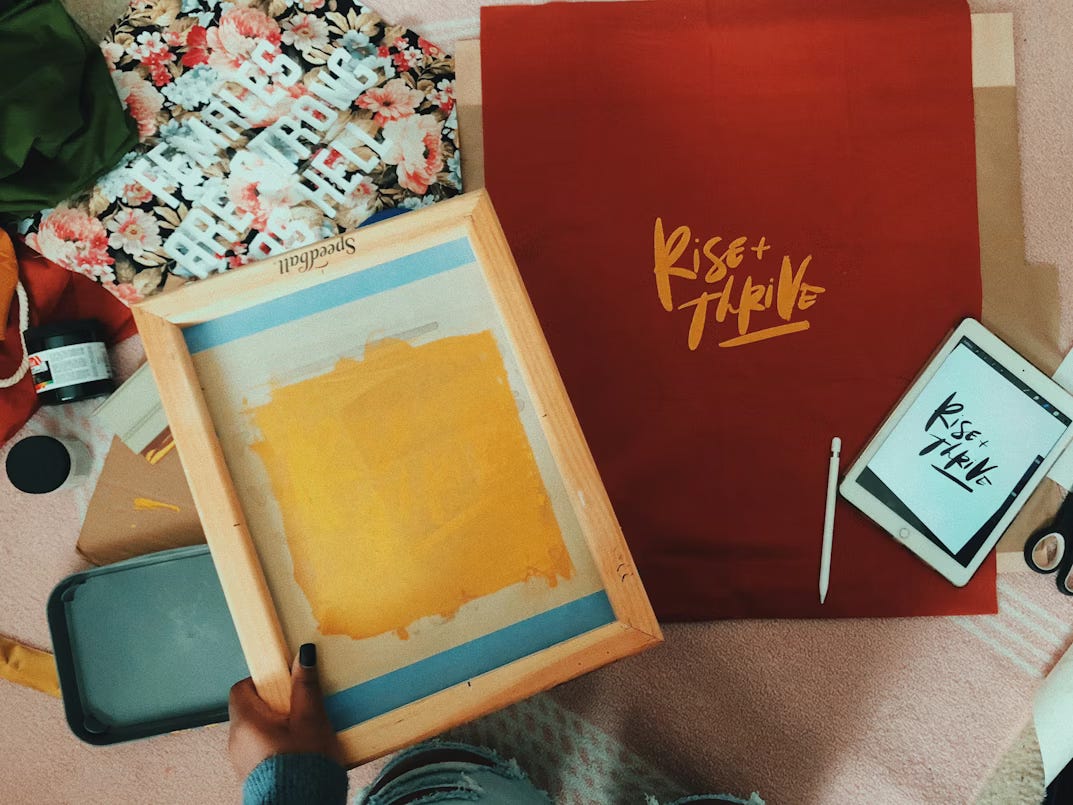
Sourced from Jazmin Quaynor from Unsplash.
Future Frontiers in Corporate Patronage
The next phase of brand–artist collaboration is being defined by technology and ethics. AI-generated art is transforming creative workflows, introducing hybrid projects that blur the line between human and machine creativity. While this innovation expands artistic possibilities, it also raises questions about authorship and originality. Many brands now require transparency around AI use to maintain authenticity.
Simultaneously, metaverse and digital twin activations are becoming new platforms for collaboration. Artists are designing virtual worlds, 3D environments, and NFT-linked products that extend the brand experience beyond the physical. These digital spaces enable immersive storytelling that fuses art, design, and interactivity.
Finally, CSR-driven art, which are projects tied to environmental and social missions, has become a defining trend. As Goodtype highlights, partnerships built on purpose resonate more deeply with audiences. Whether through climate-awareness murals, zero-waste exhibitions, or campaigns for mental health awareness, art has become a tool for ethical engagement and positive change.
Brand Patronage Without Selling Out
In 2025, the convergence of art and branding no longer signals compromise, since it represents evolution. Brand patronage, when approached thoughtfully, provides artists with sustainable careers and global visibility without sacrificing authenticity. For brands, collaborating with artists means cultivating trust, creativity, and social value in an increasingly crowded marketplace.
The most successful partnerships are those rooted in mutual respect and transparency. When artists maintain ownership of their vision and companies treat art as culture rather than commodity, corporate patronage becomes an act of collaboration, not exploitation. Art now lives across billboards, sneakers, virtual galleries, and city murals, proving that creativity and commerce can coexist. The brands may fund the projects — but the artists still hold the brush.