
Subtotal
$0.00
Urban Living and the Tiny Home Movement
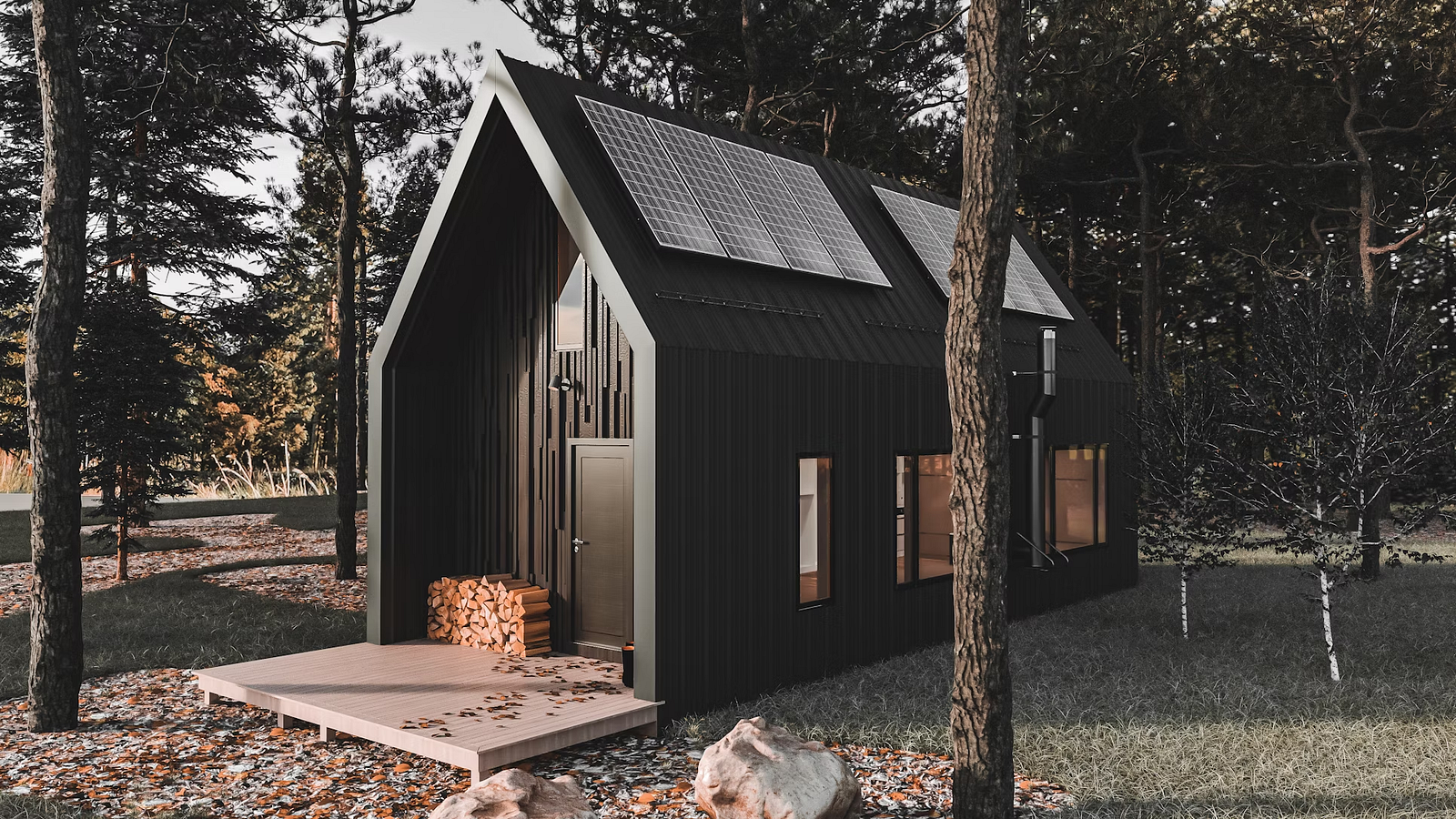
Across major cities, people are learning to live beautifully in less space. Urban living and the growing tiny home movement have redefined how we think about comfort and design. What was once seen as a limitation has become an opportunity for creativity and intention. With every square foot precious, the focus has shifted toward quality, efficiency, and atmosphere. According to the National Association of Home Builders, the top architectural trends of 2025 emphasize smaller, flexible, and sustainable spaces that make the most of what is available.
Why Small Spaces Demand Bigger Design Thinking
Designing a small home requires more than simply shrinking furniture or removing walls. It calls for a complete reimagining of how a space functions and flows. The best compact interiors feel open and balanced because every element serves multiple purposes. Open-concept layouts and fluid transitions between areas make small spaces feel generous and welcoming. The tiny home movement has turned this philosophy into a global design language, showing that a thoughtfully planned studio can feel more luxurious than a much larger home with poor flow.
Architectural Solutions for Small Homes
Right-sizing, rather than downsizing, has become the key to modern small-space architecture. Efficient floor plans eliminate wasted corners and hallways while maintaining comfort and style. Schaefer Fine Art notes that successful compact designs balance function and emotion, ensuring each room adapts to the rhythms of daily life. Multi-functional layouts allow a kitchen to serve as both office and dining area, while pocket doors or sliding panels divide rooms without blocking light.
Vertical design has become a hallmark of this approach. By looking upward instead of outward, designers create space through lofts, elevated shelving, and mezzanine seating. Loft-style living brings privacy and variety into a single footprint, turning small apartments into layered, multidimensional homes. Outdoor integration further expands what small spaces can offer. Balconies, terraces, and window gardens act as natural extensions of living areas. As the NAHB explains, outdoor rooms are no longer a luxury but a necessity, adding light, air, and visual relief to city living.

Art Strategies for Compact Living
Art plays an essential role in shaping the feeling of space. Oversized artwork can transform a small room by drawing the eye upward and creating the illusion of expansiveness. A single bold canvas often feels cleaner and more confident than several small ones. Mirrors placed opposite windows or artwork multiply light and depth, helping rooms breathe.
Vertical gallery walls have become a favorite design solution. Rather than spreading art horizontally, stacking it upward accentuates ceiling height and rhythm. The Society6 blog suggests arranging frames in a single vertical line to create a sense of flow and direction. Multi-functional art storage is another emerging idea, with cabinets, benches, and folding panels doubling as art displays. These hybrid pieces allow homeowners to surround themselves with beauty while keeping clutter under control.
Color Psychology in Small Spaces
Color shapes how space feels, guiding both mood and perception. Light tones such as ivory, pale gray, or soft sage reflect natural light and make a room appear larger. These hues open up narrow hallways and small bedrooms, turning them into calming sanctuaries. Yet bold colors can also work beautifully in compact interiors when used with care. Deep emerald, charcoal, or navy can ground a space, adding elegance and dimension.
Monochromatic color schemes are often the secret to visual continuity. Using variations of one tone ties rooms together and reduces visual breaks. This approach works especially well in open-plan studios where consistency matters. Accent walls and textured finishes bring energy without crowding the eye. The right color balance turns small rooms into harmonized environments that feel deliberate rather than limited.
Storage as Design Element
In small homes, storage solutions are not hidden afterthoughts but integral design elements. Built-in shelving and cabinetry provide structure while keeping possessions organized. When done well, they become architectural features that add visual rhythm to walls. Hidden compartments under stairs, benches, or platforms keep clutter away and maintain a sense of calm. Modular storage systems allow homeowners to adapt their space as needs change, combining functionality with beauty.
Designers increasingly treat storage as part of the art itself. A custom bookshelf can frame a living area while showcasing favorite objects, and a floating cabinet can appear sculptural rather than purely practical. These solutions rely on craftsmanship and creativity, proving that in a small home, even storage can make a design statement.
Technology Integration
Technology has quietly revolutionized small-space living. Smart home systems now control lighting, temperature, and appliances from a single device, removing bulky hardware and creating cleaner lines. Fold-away furniture operated by automation can transform a living room into a bedroom or office in seconds.
Digital art has also gained popularity as a way to enjoy variety without crowding walls. Rotating screens and projection systems display collections that change with mood or season, offering endless design flexibility. As GraffitiStreet notes, art has the power to transform environments and inspire daily life. With digital displays, even the smallest home can host an evolving gallery.
Smart mirrors that display weather or news while functioning as artwork combine utility and creativity. Minimal wiring, wireless controls, and integrated charging stations all support the visual serenity that compact spaces demand. In this way, technology becomes invisible but indispensable.
Proving That Small Spaces Can Have Big Style
The modern small-space movement has shown that great design depends more on imagination than on square footage. A well-designed tiny home or apartment can be both stylish and deeply personal when art, architecture, and technology work together. Built-in furniture, curated color palettes, and thoughtful art placement can make every inch feel intentional.
RevArt’s collection of space-conscious artwork highlights this philosophy, offering pieces that elevate compact interiors without overwhelming them. Large abstract paintings can anchor a room, while slender vertical works emphasize height and rhythm. Sculptures that double as lighting or storage bring practicality and poetry together.
Small spaces, when designed with care, can feel as grand and expressive as any sprawling home. They encourage clarity, creativity, and connection. With smart planning, the right balance of color and texture, and art that uplifts the eye, even the smallest studio can tell a beautiful and expansive story.