
Subtotal
$0.00
Why Summer’s Light Belongs to Watercolor Artists
Summer brings an atmosphere that feels fleeting and radiant—qualities that watercolor painting captures beautifully. The medium’s transparency lets pigments glow, echoing the brilliance of sunlight, while the fluid movement of water and color reflects the relaxed, spontaneous energy of the season. Whether you’re sketching a seaside horizon, layering the golden tones of sunflowers, or experimenting with bold palettes, watercolor becomes a natural choice for expressing the brightness and atmosphere of summer. Outdoor sessions, especially plein air painting, are particularly rewarding in this season when natural light amplifies every brushstroke.
Choosing Supplies That Work Outdoors in Warm Weather
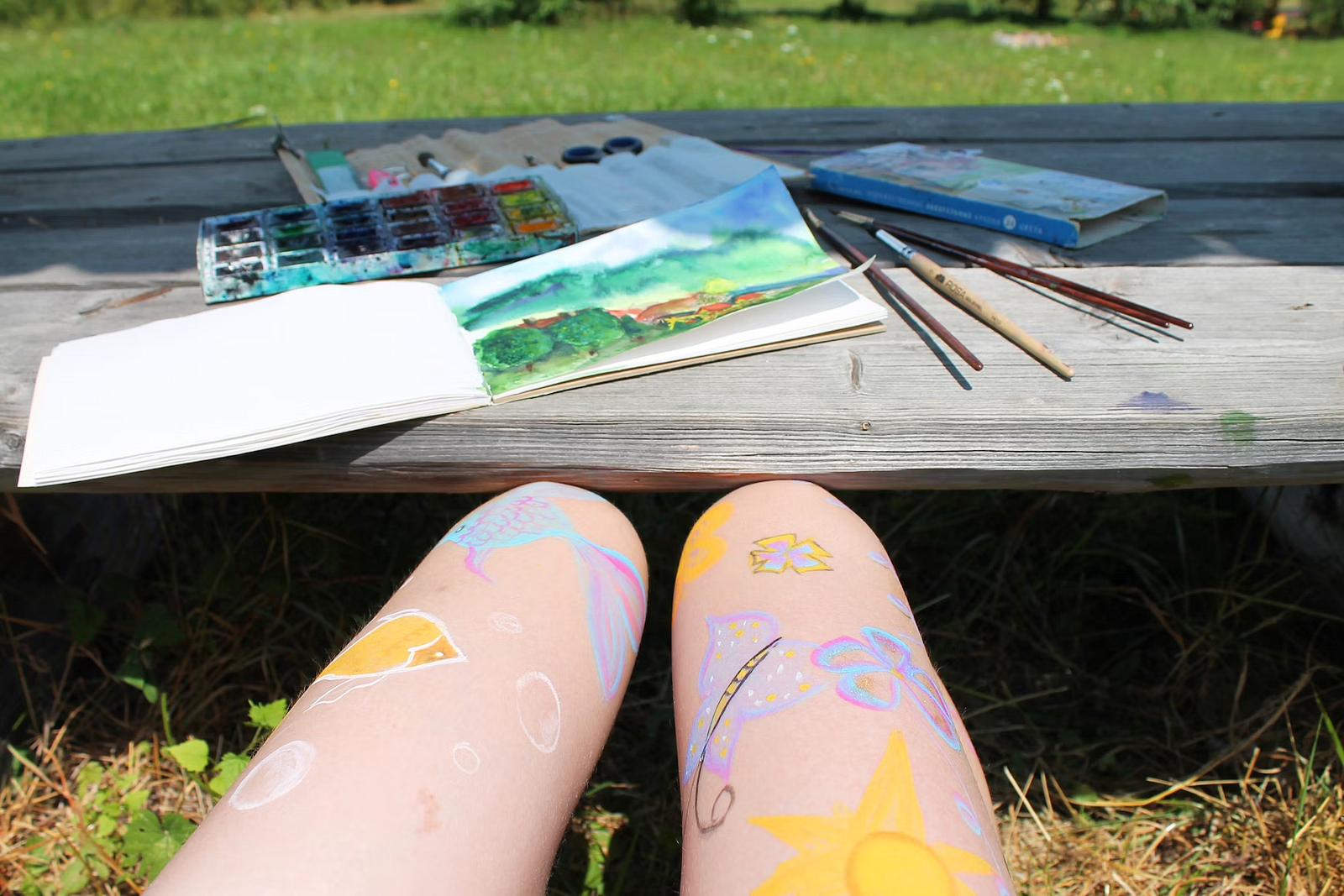
The joy of seasonal watercolor painting starts with the right setup. A durable watercolor block or sketchbook ensures pages won’t warp in humid conditions. Compact pan sets and versatile brushes keep things light, while a refillable water brush or collapsible container makes on-the-go painting easier. Masking fluid is a helpful addition for saving highlights—perfect for the sparkle of sunlit waves or the gleam on a cherry. Beginners looking to assemble their first kit can follow Watercolor Affair’s step-by-step beginner supply guide, which explains essential tools in simple terms. Travel-friendly extras like clips, folding stools, or a sun hat transform outdoor painting from a challenge into an enjoyable ritual.
Subjects That Celebrate the Season’s Beauty
Summer watercolor art thrives on its subjects, which burst with color and movement. Beaches and coastal landscapes are timeless, offering rolling waves, umbrellas, and soft skies. Fruits like watermelon, cherries, or citrus slices create playful, vibrant studies that are especially approachable for beginners. Emily Wassell’s summer watercolor ideas emphasize how simple subjects like fruit salads or sunflower blooms can immediately capture the warmth of the season. Gardens full of daisies or hydrangeas add softer textures, while picnic scenes and outdoor gatherings combine food, figures, and landscapes into storytelling compositions.
Techniques Beginners Can Use to Capture Summer Effects
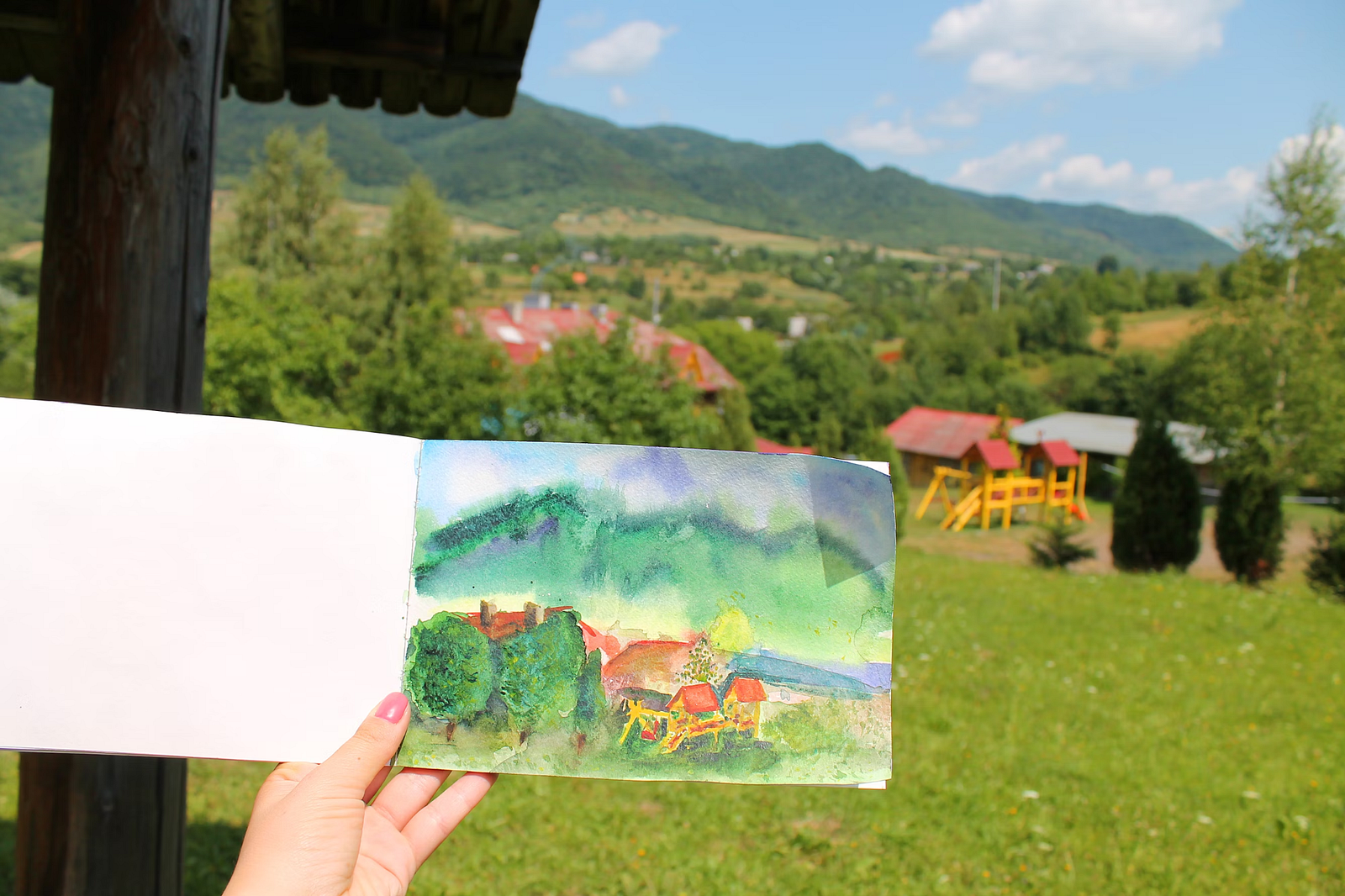
Starting with accessible methods helps build confidence while producing striking results. Wet-on-wet techniques create soft, dreamy skies where pigments blend into gentle gradients. Sprinkling salt on damp washes leaves crystalline textures, perfect for fireworks or sparkling water. Masking fluid makes it easy to preserve whites for highlights—ideal for the glow of ice cream scoops or sunlight on reflective surfaces. A graduated wash, blending from strong pigment into pale transparency, works especially well for sunsets shifting from orange to violet. Beginners can see these techniques demonstrated visually in summer watercolor tutorials on YouTube, which offer step-by-step instruction and plenty of seasonal inspiration.
Advanced Methods for Sunlight, Shadows, and Water
For artists ready to go deeper, summer subjects offer technical challenges that stretch watercolor skills. Capturing the interplay of bright sunlight against deep shadows adds realism and drama to landscapes. Transparent layering helps replicate the shimmer of moving water or glassy reflections. Building vibrant palettes requires balancing warm and cool hues, mixing colors that reflect both the intensity of midday and the calm of twilight. Outdoor painting also demands speed: shadows shift within minutes, and cloud cover can transform a scene instantly. The ability to simplify compositions and work quickly is essential, and Artist Network’s watercolor features showcase professional examples of how to achieve freshness and immediacy in summer scenes.
Tips for Painting Outside in Unpredictable Conditions
Summer painting outdoors is rewarding but comes with challenges. Wind and sun can dry washes quickly, so working on smaller sheets or clipping pages helps maintain control. Adjusting pace is critical since light changes rapidly, especially at sunrise or sunset. Paying attention to color temperature enhances accuracy—warm midday tones differ greatly from cooler twilight shades. A lightweight, portable setup ensures flexibility, while carrying extra brushes or clips avoids disruption when conditions shift. Experienced outdoor painters emphasize these strategies to keep the focus on creativity rather than logistics, ensuring watercolor sessions remain joyful and spontaneous.
Blending Traditional Watercolor with Digital Tools
Technology can complement seasonal watercolor practice without replacing the tactile experience of paint on paper. Photographing references during walks or trips ensures you can revisit fleeting light conditions later. Color-matching apps help replicate the exact hues of sunsets or flowers. Sharing paintings on platforms like Instagram allows artists to participate in seasonal challenges, reaching global audiences. For those who enjoy digital creativity, experimenting with scanning watercolor works and adding digital elements offers a hybrid approach. This blend of analog and digital enriches how seasonal art is created, preserved, and shared.
Project Ideas That Turn Summer Memories into Art
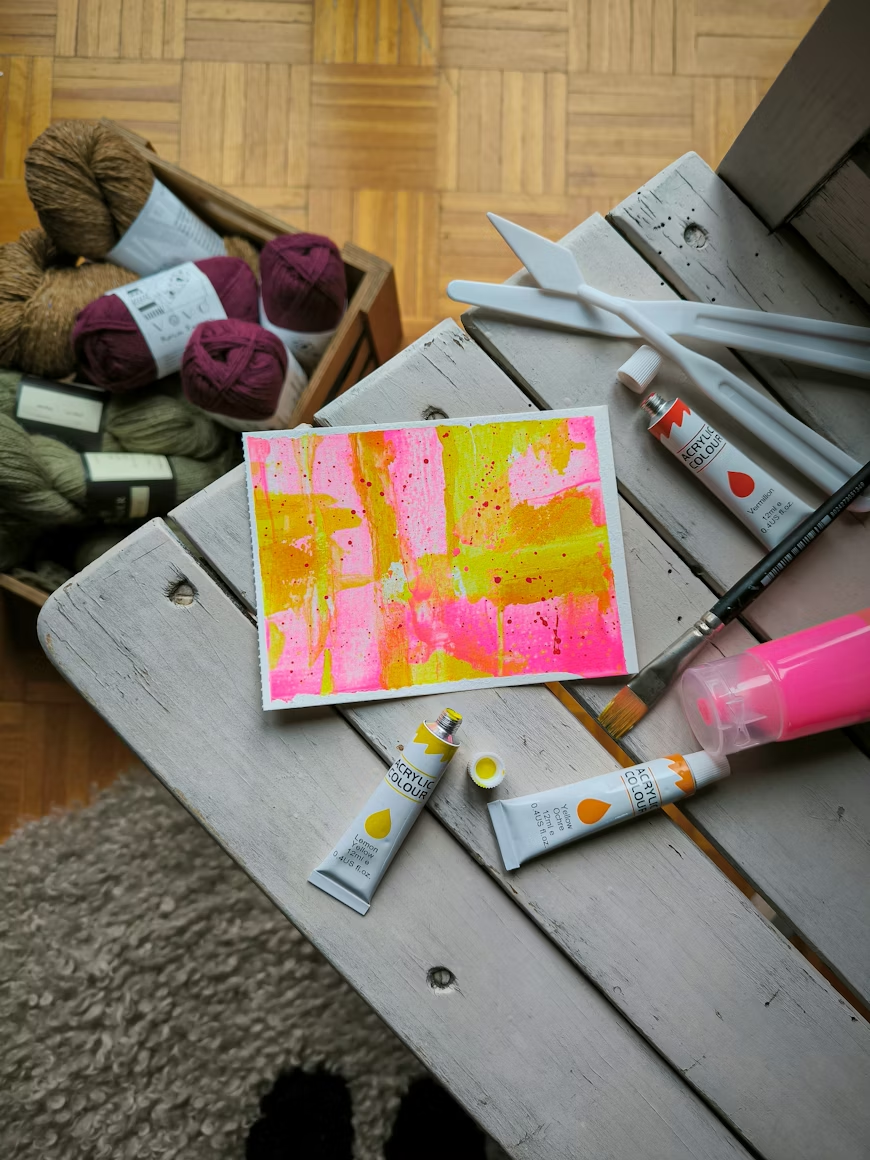
Watercolor isn’t just about single paintings—it can grow into themed projects that preserve the feel of the season. Travel sketchbooks filled with quick studies become personal visual diaries of vacations or day trips. Illustrations of summer traditions—bike rides, garden harvests, or picnic gatherings—add a narrative element to seasonal art. A botanical series focused on flowers like sunflowers or daisies develops both observation and technique. For artists seeking expression over realism, abstract explorations of summer colors offer freedom, using bold splashes of yellow, blue, and green. Programs such as The Art Effect’s summer workshops also encourage younger painters to develop themed series, showing how structured projects can nurture creativity.
Finding Inspiration Through Community and Challenges
Connecting with other watercolorists can make summer painting even more fulfilling. Platforms like RevArt provide prompts and challenges that encourage artists to paint summer fruits, garden blooms, or beach scenes alongside others. These seasonal challenges build both motivation and consistency, especially for beginners who benefit from accountability and shared inspiration. Advanced painters also find value in seeing diverse interpretations of the same theme, sparking fresh ideas. By engaging with communities, artists not only improve their skills but also celebrate the collective joy of seasonal watercolor art.
Building a Seasonal Practice That Lasts Beyond Summer
Watercolor painting in summer is more than a seasonal pastime—it can grow into a lifelong practice. Beginners may start with wet-on-wet skies or fruit studies, while advanced artists refine skills in sunlight, reflections, and shifting light. With consistent practice, small projects expand into sketchbooks, series, and portfolios that document the season’s brightness year after year. By blending technical growth, creative exploration, and community participation, artists ensure that each summer leaves behind a lasting record of color, light, and memory.